The other museum you should make time to visit is the Eastman House. A major museum dedicated to the art of photography and film has been built on to the home of George Eastman, the man who made it all possible.
Eastman didn’t invent photography, nor did he come up with any of the major technological advancements that made photography a practical concern. From what I gather, his major contribution was as a businessman who popularized photography. He realized that you’re not going to make much money selling cameras – once a customer has one, they aren’t likely to need another. The money comes from producing film – and charging people to have their film processed and “snapshots” printed. So he made simple, durable cameras that anyone could use – and watched the money roll in as they paid to get their photos printed and bought more film.
All the technical and engineering stuff was great, too, but it didn’t make him a huge success and power his philanthropy.
Anyway, the house is pretty nice. Same with the gardens. It’s actually reasonably modest for someone as wealthy as he was. But then, when he decided that he wanted the conservatory to be bigger, he basically had the whole house cut in half and one half moved a couple of feet away….
Most of the interest is in the museum side of things. There’s the usual stuff on Photography as Art, and a modest theater for special screenings. The big attraction is on the history and development of the camera – from the “camera obscura” room of the Renaissance (and there is one in the Museum, so you yourself can see how it works) to the original Eastman Kodak cameras (including the “Brownie”) to the Speed Graphic camera used by press photographers in movies set in mid 20th century – to the first digital camera made by Kodak…..
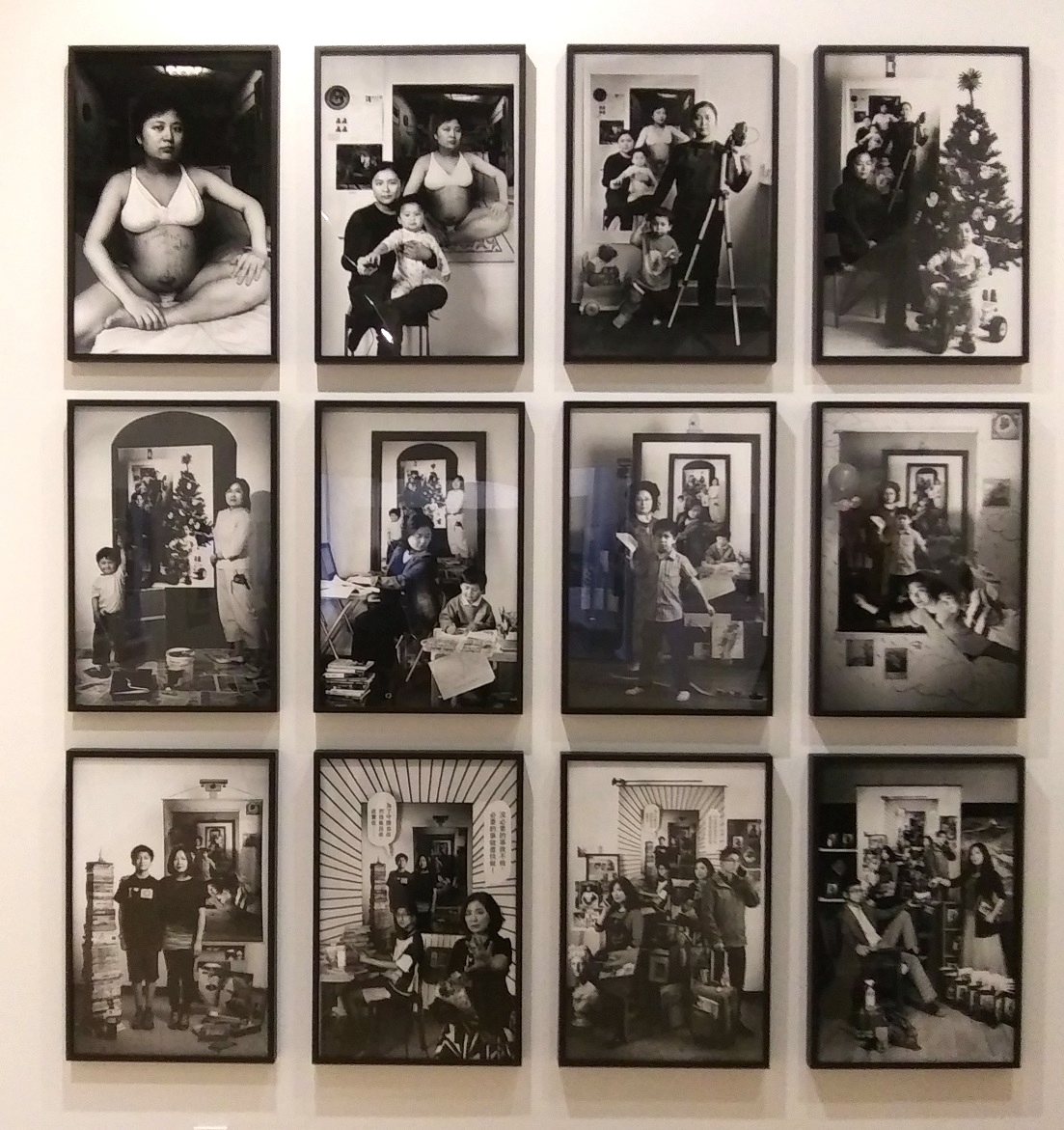
Annie Hsiao-Ching Wang, “The Mother as a Creator” (2001-2022) (Look closely at the individual photographs)
There’s also this one, the “reference” copy of the camera installed on the Lunar Orbiter probes in the mid 60s. The incredibly complex device not only took photos of the Moon’s surface; it developed the film and then scanned those images and radioed the electronic data back to the Earth.
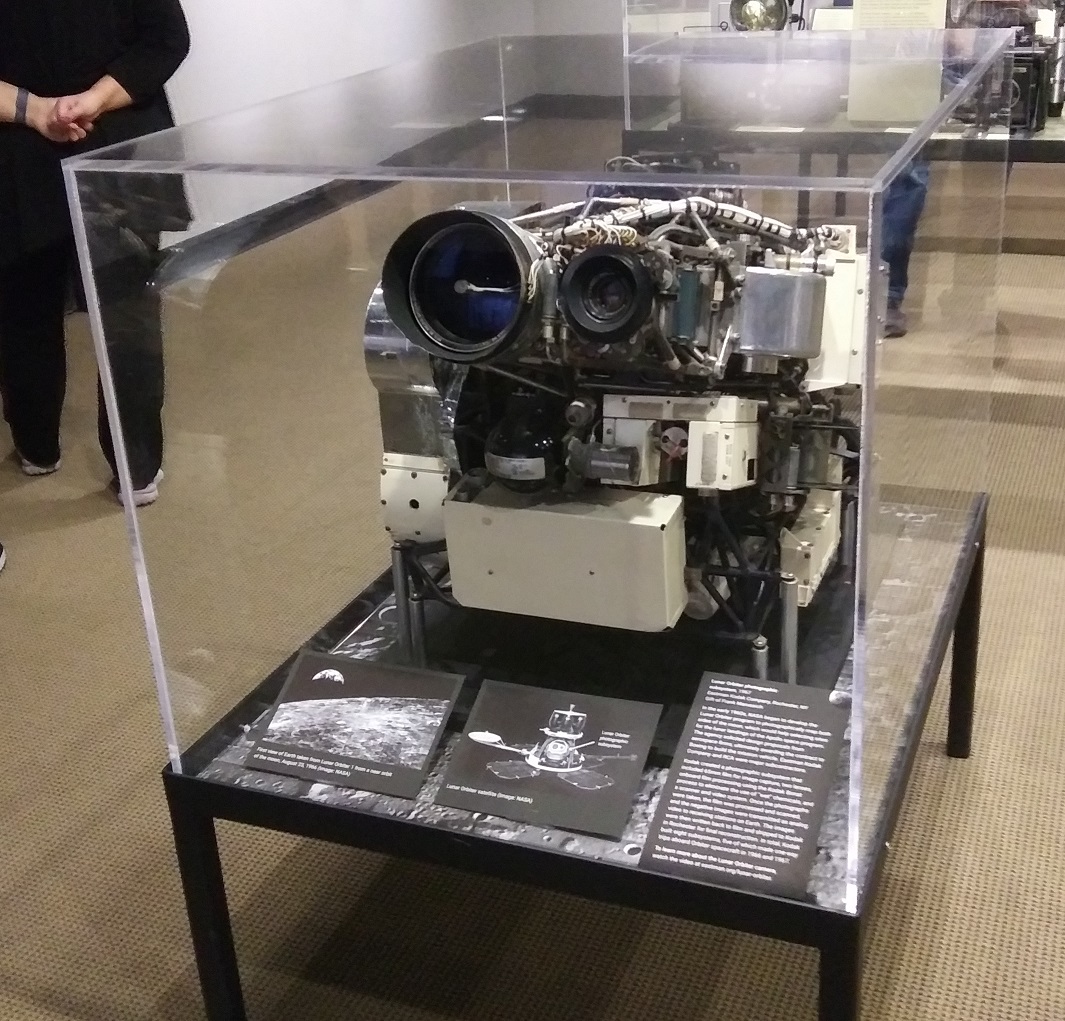
Lunar Orbiter Camera Assembly
There was also a special exhibit on movie posters of the 1960s – foreign versions were included.
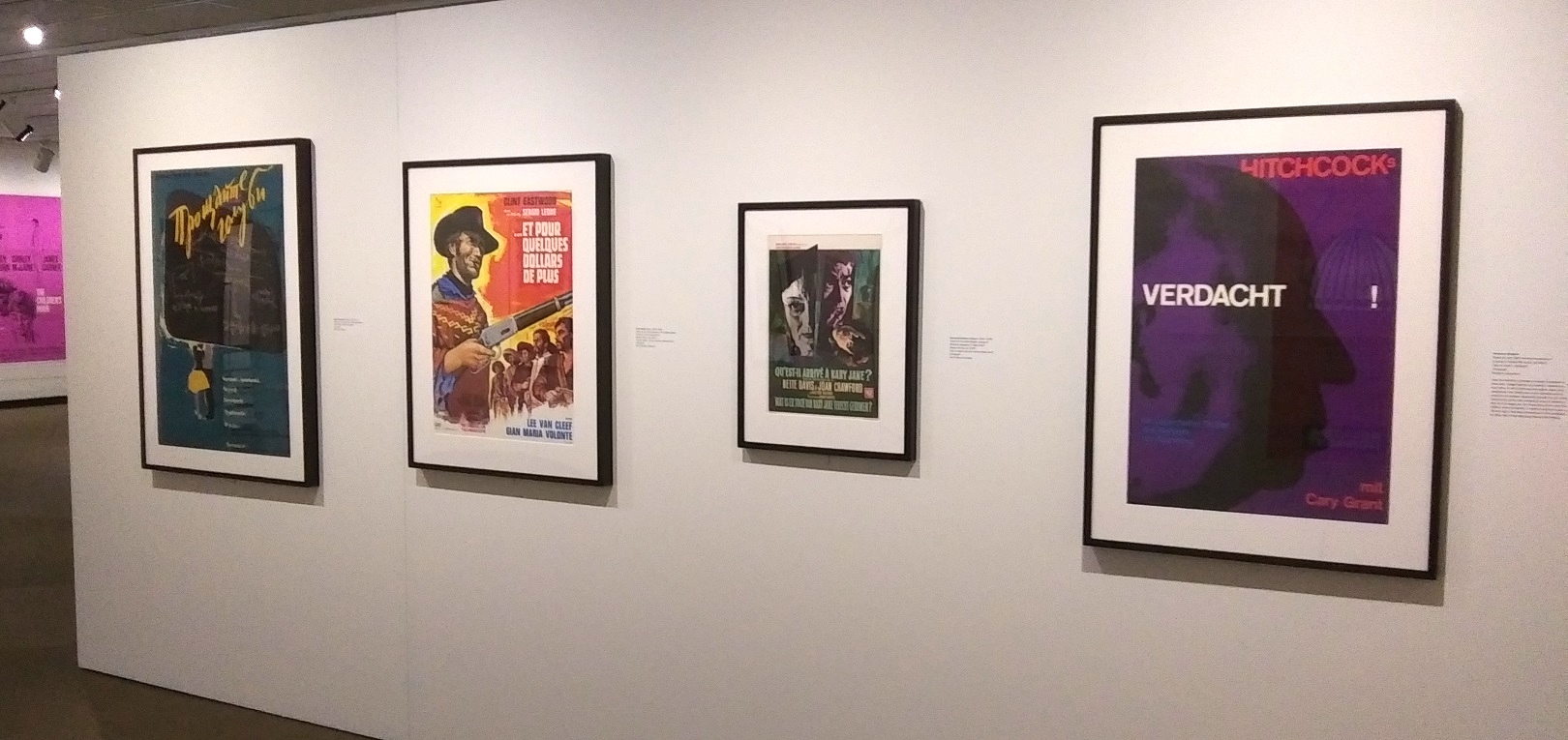
Recognize any?
I’m going to get up on a soapbox (again) now. It strikes me as odd and unfair that Andy Warhol can copy someone else’s design for a soup can label and be called a Great Artist, but the people who created the original label get no credit. Why can’t the movie poster creators and designers be called Artists? Is it just because they are getting paid first and their work is for commercial purposes? Go look at the works of Saul Bass, and try and tell me that he’s not a Great Artist.
Anyway, there are a few more Rochester items to note. And if you think I’m not going to squeeze an additional post out of them, you haven’t been following my travels on this blog…..
 Pure Blather